Energy shock therapy: Argonaut calls time on the “abundance era”

If energy markets were hoping for a quiet 2026, they’ve instead been handed a geopolitical powder keg with a lit fuse. Argonaut analyst Sarah Kerr, in her latest sector note When Molecules Matter, argues the industry has been jolted out of complacency and into what she bluntly calls a “structural crisis” - one that could send oil flirting with US$200 a barrel and force a wholesale rethink of energy security.
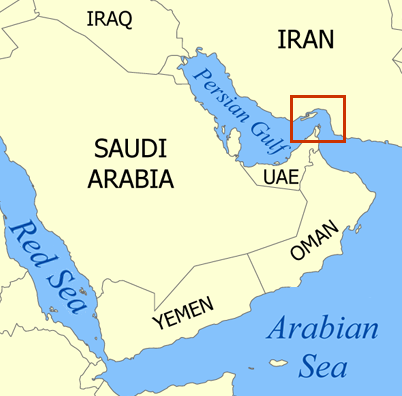
At the heart of the chaos lies the effective shutdown of the Strait of Hormuz, a narrow shipping lane that ordinarily carries roughly a quarter of global oil supply and a fifth of LNG trade. Flows through the chokepoint have dwindled from around 130 vessels a day to a trickle, stranding vast volumes of crude, refined products and gas.
This is not just another cyclical spike. Kerr draws an explicit parallel with the 1973 oil embargo - a moment that permanently rewired global energy policy. The difference this time? The system was already fragile.
From surplus to scarcity - overnight
Only months ago, consensus expectations pointed to a comfortable surplus in oil and LNG markets through 2026. That narrative has been shredded. Prices have surged, with crude already above US$100/bbl and LNG benchmarks doubling, as markets transition from what Kerr calls “paper tightness” to genuine physical shortages.
The broker’s base case sees Brent averaging close to US$118/bbl this year, but that’s almost beside the point. The real story is the upside risk - a spike toward US$200/bbl as inventories drain and supply chains seize up in the June quarter.
The mechanics are straightforward but brutal. Around 20 million barrels per day of oil and products have effectively been cut off, while alternative pipelines can only replace a fraction of that volume. The imbalance is stark: there simply isn’t enough spare capacity outside the Middle East to plug the gap quickly.
The illusion of spare capacity
Kerr’s more provocative argument is that this crisis was “waiting to happen”. A decade of underinvestment, ESG-driven capital restraint and declining reserve replacement has hollowed out the global supply base.
OPEC+ cuts in 2025 masked the problem by creating the illusion of spare capacity. But as the report notes, much of that capacity is now either inaccessible or slower to respond than markets assumed. Meanwhile, US shale - once the industry’s reliable swing producer - is showing signs of fatigue, with rig counts drifting lower despite higher prices.
The result is a system with very little elasticity. When disruption hits, prices don’t gently adjust - they lurch.
Demand: dented, not broken
On the demand side, there are early signs of strain. The International Energy Agency has slashed its 2026 demand growth forecast by 25%, citing the likelihood of “demand destruction” from high prices and shortages.
Yet Kerr remains sceptical that demand will meaningfully collapse. Industrial activity, petrochemical feedstocks and power generation needs remain stubbornly resilient. In emerging markets, consumption is still climbing, driven by urbanisation and rising incomes.
Instead of prices alone balancing the market, governments are stepping in. Across Asia, fuel rationing, reduced working weeks and energy emergencies are becoming policy tools - a throwback to earlier energy crises.
LNG: the other crisis
If oil grabs the headlines, LNG is where the squeeze may be most acute. Asia’s heavy reliance on Gulf gas leaves key economies scrambling for alternatives.
Europe, still rebuilding after losing Russian supply, is now competing with Asia for cargoes. Storage levels are already low after a harsh winter, and the report suggests a bidding war is inevitable if disruptions persist.
Complicating matters further is an unexpected player: data centres. Rising electricity demand from AI infrastructure is tightening US gas markets, pitting domestic consumption against LNG exports. It’s an underappreciated dynamic that could amplify volatility well beyond 2026.
Australia: exposed at both ends
For Australian investors, the report carries a double edge. On one hand, higher prices are a boon for exporters. Kerr initiates coverage on Woodside Energy and Santos with Buy ratings, arguing the sector is poised for a rerating as earnings surge.
On the other hand, Australia’s domestic vulnerability is laid bare. The country now imports roughly 90% of its liquid fuels, with inventories covering only weeks of demand.
The consequences are already emerging: sporadic petrol shortages, pressure on jet fuel supply, and growing concern among miners - which consume around a third of the nation’s diesel - about access to fuel.
In extremis, the federal government may be forced to ration supply, prioritising critical sectors much like in the 1970s.
A structural reset
Perhaps the most striking takeaway is that this isn’t a temporary dislocation. Kerr argues the global energy system is undergoing a structural repricing after years of complacency.
Even when the Strait of Hormuz reopens, the aftershocks will linger. Shipping bottlenecks, damaged infrastructure and depleted inventories will take months - if not longer - to normalise. Meanwhile, the underlying issues of underinvestment and tightening supply remain unresolved.
In that sense, 2026 may mark the end of the “abundance era” in energy markets. Investors, policymakers and consumers alike are being reminded - rather forcefully - that molecules still matter.