GT1 Unveils High-Grade Rubidium Resource at Seymour

7/24/2025
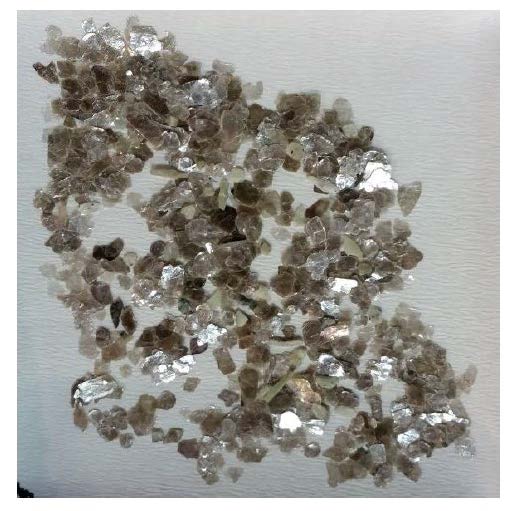
Green Technology Metals (ASX:GT1) has uncovered what could be one of the most significant rubidium resources on the ASX and potentially in Canada, tucked neatly inside its Seymour lithium project in Ontario. The newly defined rubidium resource totals 8.3 million tonnes at 0.27 percent rubidium oxide, which contains around 23,000 tonnes of the valuable critical mineral. Of this, 3.4 million tonnes grade a richer 0.40 percent, representing approximately 13,600 tonnes of high-grade material.
Unlike gold or lithium, rubidium does not often attract investor headlines, but its relevance is rising. Used in defence systems, advanced electronics, medical imaging, and quantum computing, the metal is trading at a hefty premium to lithium. High purity rubidium is fetching around USD $1,060 per kilogram, making it one of the more lucrative niche metals.
GT1 is not setting up a separate rubidium operation. Instead, it is cleverly aiming to extract the mineral as a by-product from existing lithium waste streams. Rubidium is hosted in muscovite mica, a mineral already being separated during lithium processing. Test work has shown rubidium grades in this waste material can reach up to 1.3 percent. Because this mica is already removed as part of the process, recovering rubidium may require little extra cost or infrastructure.
Managing director Cameron Henry said the rubidium discovery brings a new layer of value to the Seymour project. “As one of the largest high-grade rubidium resources on the ASX and the most substantial in Canada, Seymour is well positioned to play a critical role in the global supply of this high-value specialty metal,” he said.
The inclusion of rubidium as a critical mineral in both the US and Japan gives GT1 added strategic leverage. It opens the door to potential funding and collaborative opportunities, particularly given the company’s base in Canada—a jurisdiction with established ties to both countries. Canada has historically supplied a large portion of China’s rubidium imports, further cementing its relevance in the supply chain.
The global rubidium market, though small, is expected to grow from USD $4.6 billion in 2023 to USD $8 billion by 2033. Supply is limited, and with growing demand from sectors such as quantum computing and energy storage, GT1 finds itself in a timely position.
Drilling at North Aubry has shown consistent rubidium grades across multiple campaigns, including intercepts above one percent rubidium oxide. While these recent high-grade hits have not yet been factored into the current resource estimate, they suggest there may be room to upgrade and expand the rubidium resource in future updates.
With minimal changes needed to the processing flowsheet and a potentially valuable stream of revenue from what was previously considered waste, rubidium could become an important part of GT1’s broader strategy. The company is now planning targeted test work to confirm the economic viability of this opportunity.
GT1 may be best known for lithium, but its ability to generate value from critical mineral by-products like rubidium could give it a unique edge. Investors with an eye on the growing critical minerals sector might find the story at Seymour more compelling than the typical lithium narrative.